News
EUROPE’S WINNING HAND
TRANSFORMING POTENTIAL INTO POWER
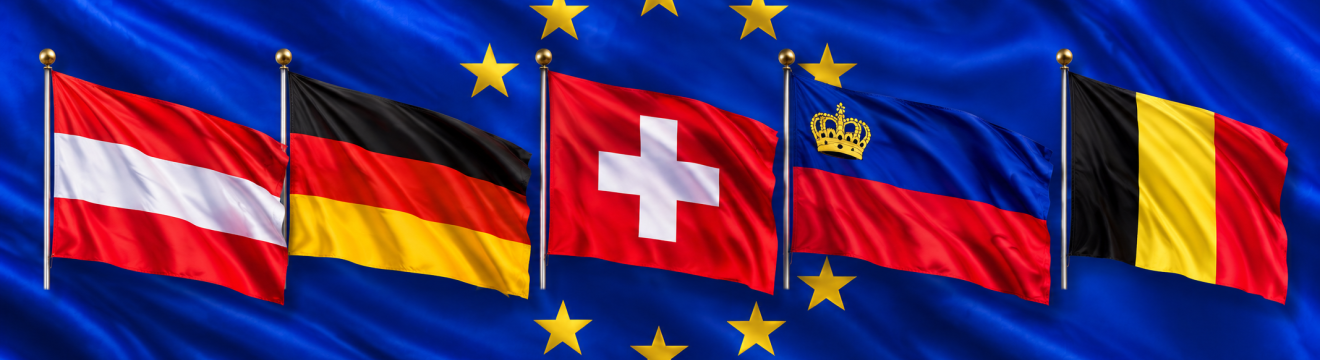
Europe United (Source: Ina Von Ber)
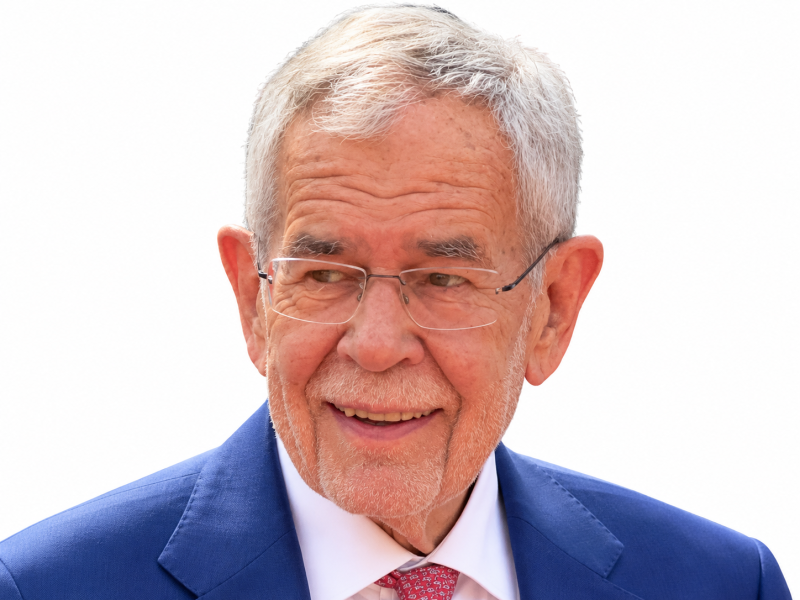
President of Austria Alexander van der Bellen
(Source: Ina von Ber)
(Source: Ina von Ber)
Not “Survive.” Not “Manage Decline.” Win!
Othmar Karas, the Forum’s president and a longtime European Parliament heavyweight, put it cleanly on the final day: “Europe will not be shaped by ideas alone.” The Alpbach Manifesto that came out of those sessions looks hard at 2035 and treats every participant as someone who must carry a piece of the work home. Karas himself put completion of the European Single Market at the very top of his personal list. Around that priority, three big, interlocking arguments took shape. Get them right and Europe doesn’t just hang on. It shapes the next era.Let's Start With Money.
Start with the money. Europe still sits on the largest coherent market on the planet; 450 million people, high savings rates, world-class engineers and scientists. The problem is that too much of that talent and capital still must fight its way through a maze of national rules, thin growth-equity markets, and supervisory silos. Finish the Single Market. Build a real Capital Markets Union. Do those two things and suddenly European savings start financing European innovation at continental scale instead of leaking across the Atlantic. The cost of capital for clean tech, advanced manufacturing, defense electronics, and sovereign data infrastructure drops. Public institutions like the European Investment Bank and national promotional banks become anchors that crowd private money into the long-term bets that matter. As one participant in the finance sessions put it: “To finance Europe’s future is to define what Europe stands for.”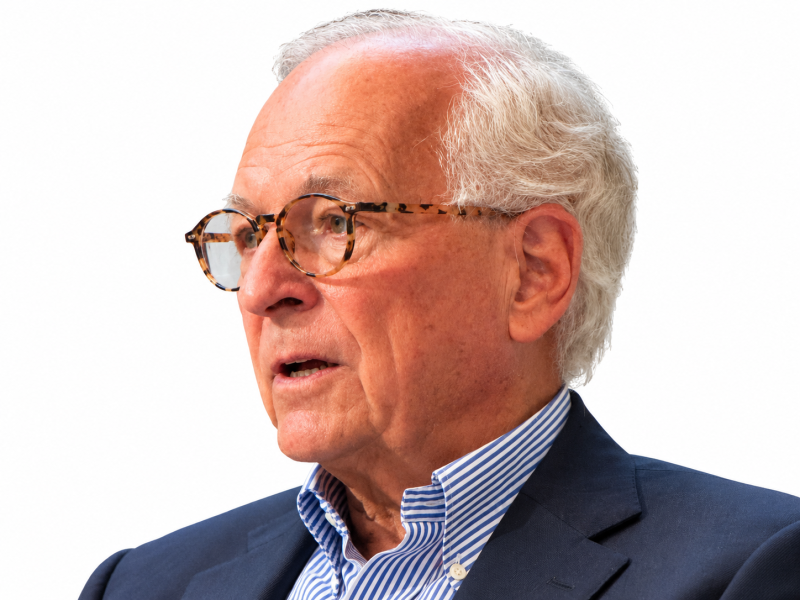
Amb. Wolfgang Ischinger, CEO Munich Security Forum
Source: Ina von Ber
Source: Ina von Ber
Then Comes Security
A European Defense Union does not mean one army with one flag and one anthem. It means Europe finally decides, together, what capabilities it needs most on this continent; ammunition depth, air and missile defense, industrial surge capacity, and decision rules that can move at the speed of modern threats — and then buys and builds them in a coordinated way. Specialization replaces duplication. Joint procurement gives European industry the volume it needs to stay at the technological edge. Karas had framed the connection months earlier: a Defense Union, technological sovereignty, and the Capital Markets Union “are not three separate conversations. They are one strategic conversation.”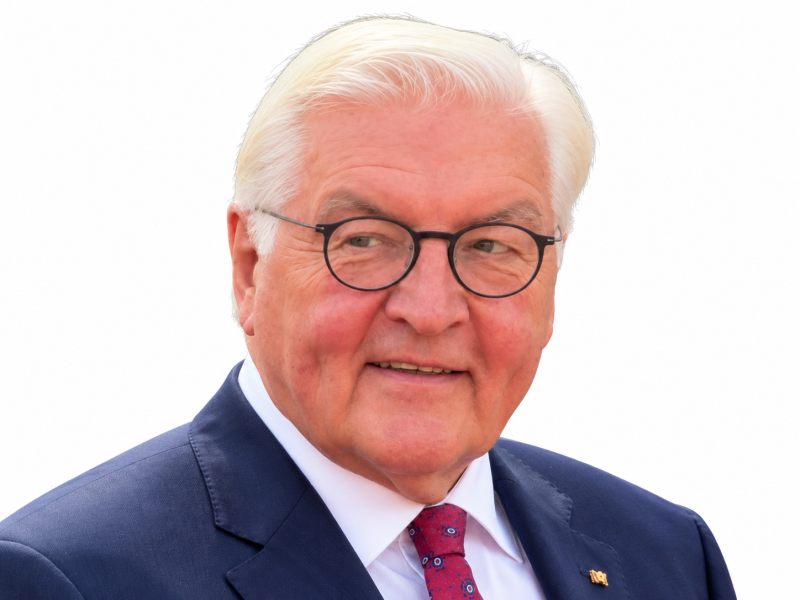
President of Germany, Frank Walter Steinmeier
Source: Ina von Ber
Source: Ina von Ber
The Plumbing of the 21st Century
The third argument is about the plumbing of the 21st century; the energy grids, data centers, compute capacity, secure communications, and critical supply chains that decide who gets to write the rules. One participant in the technology sessions said it best: “Europe’s ability to win will depend on whether it can build the infrastructure of a sovereign society; one capable of shaping its own future.” Get the infrastructure right and Europe stops being a sophisticated consumer of other people’s technology and starts being an author of its own. Interconnected grids and storage turn intermittent renewables into reliable power. Domestic and allied sources of critical materials reduce vulnerability to coercion. Data and compute under European jurisdiction and European law preserve the ability of democratic societies to set their own standards of privacy and contestability.
Treat the climate transition as industrial strategy instead of pure cost and it becomes a source of competitive advantage, new industries, lower import bills, high-value jobs. Europe already leads in pieces of this story. The job is to turn leadership in regulation and renewable deployment into leadership in the physical and digital systems that run modern life. Those systems feed the other two arguments. Energy security lowers costs and raises resilience. Digital sovereignty protects the intellectual property and data assets that deeper capital markets can finance. Defense systems draw on the same technological base.
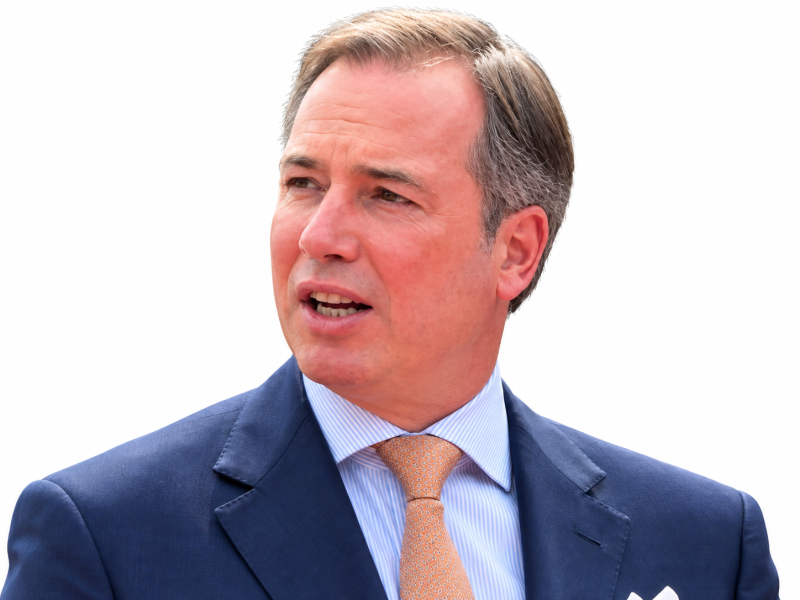
Grand Duke Guillaume of Luxembourg
Source: Ina von Ber
Source: Ina von Ber
Climate Stability And Democratic Trust; Respect Follows Capability
Climate stability and democratic trust sit underneath everything. A managed energy transition protects capital stock and social cohesion. Democratic institutions that still command respect make hard collective choices possible. Europe’s edge has always been its ability to treat climate policy as industrial strategy and democratic resilience as a security interest. Open science, real intergenerational exchange (the scholarship holders in Alpbach were impossible to miss), and inclusive transition policies turn pressure into strength.An American and a European looking at the same set of facts can meet in a productive place. American strengths in speed, risk capital, and alliance leadership remain indispensable. European strengths in social cohesion, long-horizon regulation, and patient institution-building remain indispensable. The relationship gets deeper and more resilient when Europe becomes a more self-reliant actor. Shared interests in open markets, collective defense, and democratic standards get more durable when both sides show up with real capacity.
Karas left the mountain with a final charge: “How Europe Wins is not a ready-made answer. It is an invitation to rethink Europe’s strategies and an urgent call to follow up ideas with action.” Between now and 2035 that invitation will be answered in one of two ways; by the disciplined accumulation of capability, trust, and infrastructure, or by continued fragmentation and drift. Europe still has the market size, the human capital, the institutional memory of successful integration, and a rising generation that treats the status quo as a starting line, not a finish line. The path is the steady conversion of aspiration into advantage, cycle after political cycle.
And That is how I think Europe wins.
And That is how I think Europe wins.
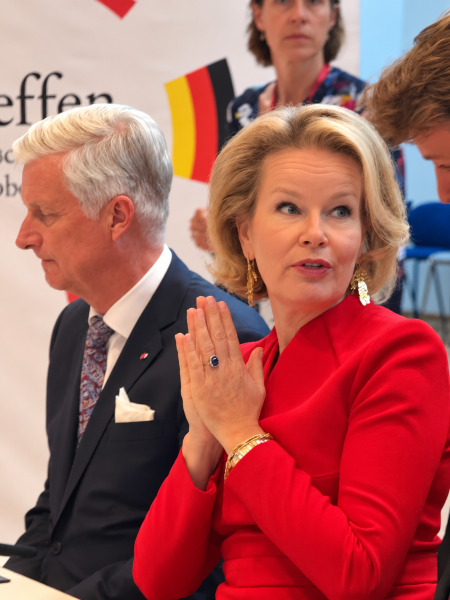
HRH King Philippe & Queen Mathilde of Belgium
Source: Ina von Ber
Source: Ina von Ber
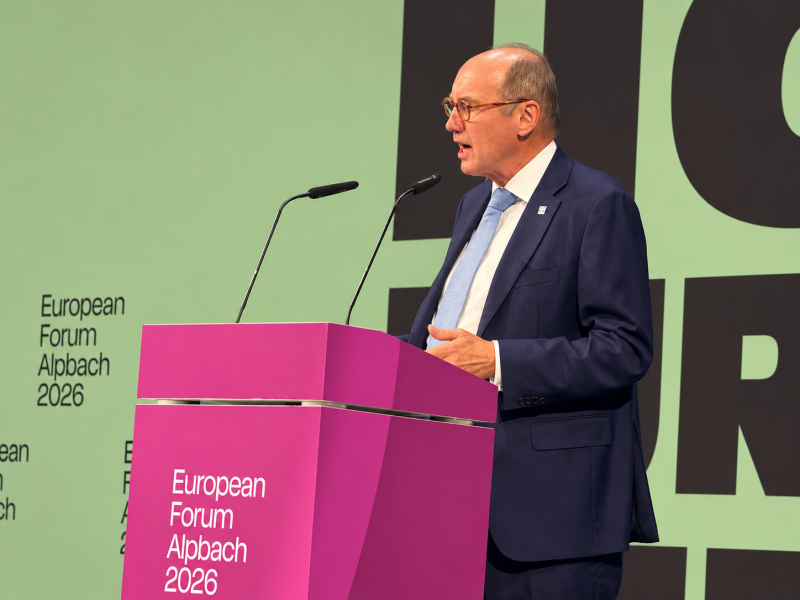
Othmar Karas, President EFA
Source: Ina von Ber
Source: Ina von Ber
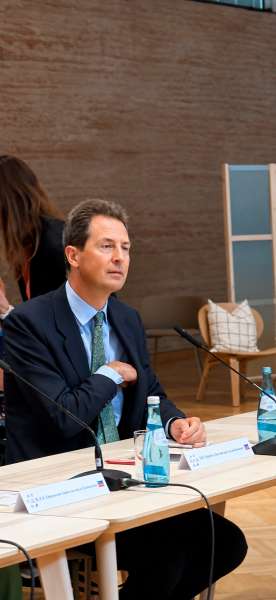
HRH Prince Alois of Lichtenstein
Source: Ina von Ber
Source: Ina von Ber
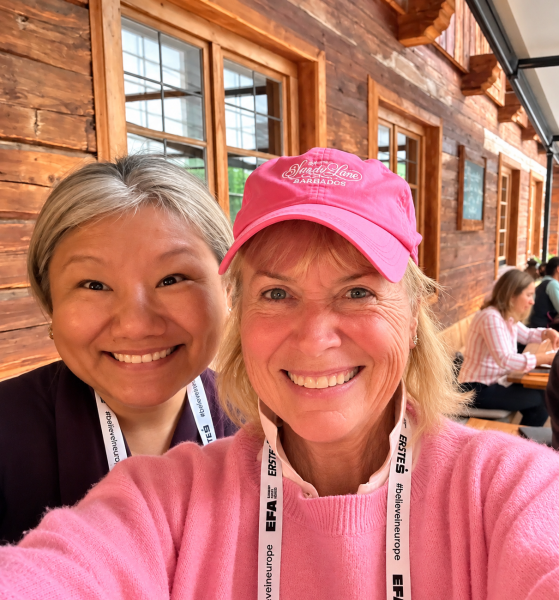
Thinlay Chuki Amb.of Holiness Dali Lama, CEO Dr. Ina von Ber CEO Amb. Roundtable
more information: https://www.ambassadorialroundtable.org
Liability for this article lies with the author, who also holds the copyright. Editorial content from USPA may be quoted on other websites as long as the quote comprises no more than 5% of the entire text, is marked as such and the source is named (via hyperlink).