
Politics
"FRANCE EXTENDS €180 FUEL REBATE UNTIL 2026" SAYS THE FRENCH GOUVERNMENT
"GOVERNMENT TARGETS LOW-INCOME DRIVERS"

Banner Prime Minister (Source: French government)
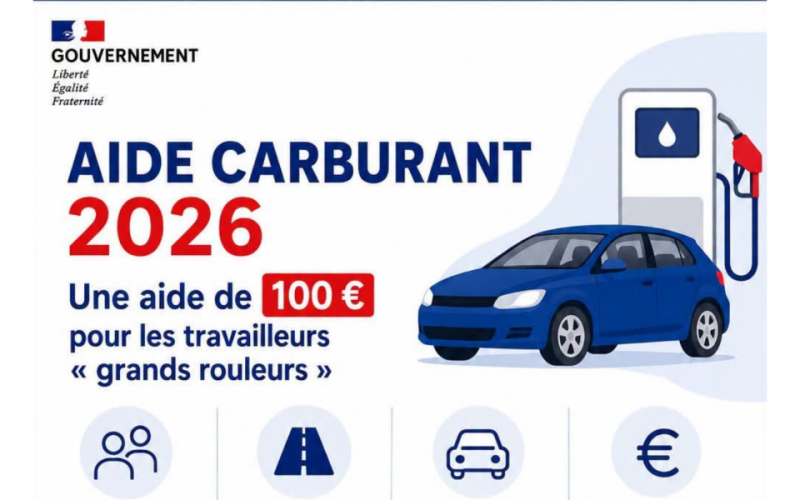
French Aid for the fuel
(Source: French Government)
(Source: French Government)
As a journalist who has covered economic policies and press conferences for over a decade including the Matignon press briefing on 3 September 2026, I report these facts with rigorous sourcing to counter misinformation. While this aid provides immediate relief, it does not address France’s structural dependency on cars or energy market imbalances.
FRENCH GOVERNMENT PROLONGS FUEL AID AMID SURGING PRICES
A MEASURE TO EASE PURCHASING POWER The French government’s fuel aid program, initially set to expire in June 2026, has been extended following protests by farmers, artisans, and low-income households. Key details:
• €180 rebate for households (annual taxable income < €15,000).
• €300 rebate for professionals (artisans, farmers, delivery drivers).
• 300-litre cap per vehicle per quarter (~€540 maximum aid).
A MEASURE TO EASE PURCHASING POWER The French government’s fuel aid program, initially set to expire in June 2026, has been extended following protests by farmers, artisans, and low-income households. Key details:
• €180 rebate for households (annual taxable income < €15,000).
• €300 rebate for professionals (artisans, farmers, delivery drivers).
• 300-litre cap per vehicle per quarter (~€540 maximum aid).
FUEL AID PROLONGED AMID SURGING PRICES : A TEMPORARY FIX FOR A STRUCTURAL PROBLEM"
A MEASURE TO EASE PURCHASING POWER The French government’s fuel aid program, initially set to expire in June 2026, has been extended following protests by farmers, artisans, and low-income households. Key details are as follows:
• €180 rebate for households (annual taxable income < €15,000)
• €300 rebate for professionals (artisans, farmers, delivery drivers)
• 300-litre cap per vehicle per quarter (~€540 maximum aid)
A MEASURE TO EASE PURCHASING POWER The French government’s fuel aid program, initially set to expire in June 2026, has been extended following protests by farmers, artisans, and low-income households. Key details are as follows:
• €180 rebate for households (annual taxable income < €15,000)
• €300 rebate for professionals (artisans, farmers, delivery drivers)
• 300-litre cap per vehicle per quarter (~€540 maximum aid)
ELIGIBILITY CRITERIA OF WHO QUALIFIES FOR THIS AID
The Eligible Households are if:
• Annual taxable income < €15,000
• Vehicle registered in France (car, motorcycle, light utility)
• 300-litre cap per quarter (~€540 maximum aid)
The Excluded Households are if:
• Household income > €15,000
• Company vehicles (except for micro-enterprises)
The Eligible Professionals are if:
• Artisans, farmers, delivery drivers (proof of profession required)
• €300 rebate (no litre cap)
• Extended until 31 Dec 2026
The Excluded Professionals are if:
• Company vehicles (unless registered as a micro-enterprise)
HOW & TO CLAIM THE AID
• Households: No action required rebate applied automatically at pumps via vehicle registration number.
• Professionals: Online registration at impots.gouv.fr (section "Fuel Aid").
Sources: Prime Misniter’s Cabinet, Hotel Matignon, French Government Fuel Aid Guide, Impots.gouv.fr Registration Portal
The Eligible Households are if:
• Annual taxable income < €15,000
• Vehicle registered in France (car, motorcycle, light utility)
• 300-litre cap per quarter (~€540 maximum aid)
The Excluded Households are if:
• Household income > €15,000
• Company vehicles (except for micro-enterprises)
The Eligible Professionals are if:
• Artisans, farmers, delivery drivers (proof of profession required)
• €300 rebate (no litre cap)
• Extended until 31 Dec 2026
The Excluded Professionals are if:
• Company vehicles (unless registered as a micro-enterprise)
HOW & TO CLAIM THE AID
• Households: No action required rebate applied automatically at pumps via vehicle registration number.
• Professionals: Online registration at impots.gouv.fr (section "Fuel Aid").
Sources: Prime Misniter’s Cabinet, Hotel Matignon, French Government Fuel Aid Guide, Impots.gouv.fr Registration Portal
WHY THIS AID IS ARRIVING AT AN ECONOMIC AND POLITICAL TURNING POINT
In France, Fuel prices: €1.85/litre (SP95), up 12% since January 2026 (DGCCRF Data). According to INSEE, Poll Inflation: Transport costs +8.5% since January 2026. Not to mention that purchasing power: 78% of French people believe the government isn’t doing enough (IFOP Poll, Aug 2026). Moreover, the political context is quite hectic and tense as 2027 presidential elections loom, with purchasing power a key issue. Farmers’ protests (2024-2026) and Gilets Jaunes (Yellow vests Movement of Strikes and National Protest / November 2018) 2.0 have pressured the government to act.
In France, Fuel prices: €1.85/litre (SP95), up 12% since January 2026 (DGCCRF Data). According to INSEE, Poll Inflation: Transport costs +8.5% since January 2026. Not to mention that purchasing power: 78% of French people believe the government isn’t doing enough (IFOP Poll, Aug 2026). Moreover, the political context is quite hectic and tense as 2027 presidential elections loom, with purchasing power a key issue. Farmers’ protests (2024-2026) and Gilets Jaunes (Yellow vests Movement of Strikes and National Protest / November 2018) 2.0 have pressured the government to act.
IT IS A FAIR INCENTIVE, YET A TEMPORARY FIX FOR A STRUCTURAL PROBLEM While the €180/€300 rebate provides immediate relief, it does not address France’s deep-rooted issues:
• Car dependency (only 12% of French commuters use public transport).
• Energy market imbalances (France still relies on fossil fuel imports).
• Inflation pressures (transport costs +8.5% since January 2026).
As someone who has reported on economic policies and press conferences for years, One can see this measure as a necessary stopgap, yet not a solution. The real answer lies in investing in public transport, renewable energy, and alternative fuels.
While this aid is welcomed , it is urgent the government to think long-term. France cannot afford to kick the can down the road on energy and transport, especially in this particular domestic economic and political context amid a global context of war and armed conflicts all over the world.
• Car dependency (only 12% of French commuters use public transport).
• Energy market imbalances (France still relies on fossil fuel imports).
• Inflation pressures (transport costs +8.5% since January 2026).
As someone who has reported on economic policies and press conferences for years, One can see this measure as a necessary stopgap, yet not a solution. The real answer lies in investing in public transport, renewable energy, and alternative fuels.
While this aid is welcomed , it is urgent the government to think long-term. France cannot afford to kick the can down the road on energy and transport, especially in this particular domestic economic and political context amid a global context of war and armed conflicts all over the world.
French Government Fuel Aid Press Release (3 Sept 2026) Official Government, Prime Minister's Cabinet, Hotel Matignon
DGCCRF Fuel Price Data (Sept 2026) French National Official Regulator from Tax Department
INSEE Transport Inflation Report (2026) Official Statistics
Impots.gouv.fr Fuel Aid Registration Portal, Official Administration
IFOP Poll Purchasing Power Survey (Aug 2026), Polling Institute
DGCCRF Fuel Price Data (Sept 2026) French National Official Regulator from Tax Department
INSEE Transport Inflation Report (2026) Official Statistics
Impots.gouv.fr Fuel Aid Registration Portal, Official Administration
IFOP Poll Purchasing Power Survey (Aug 2026), Polling Institute
Liability for this article lies with the author, who also holds the copyright. Editorial content from USPA may be quoted on other websites as long as the quote comprises no more than 5% of the entire text, is marked as such and the source is named (via hyperlink).